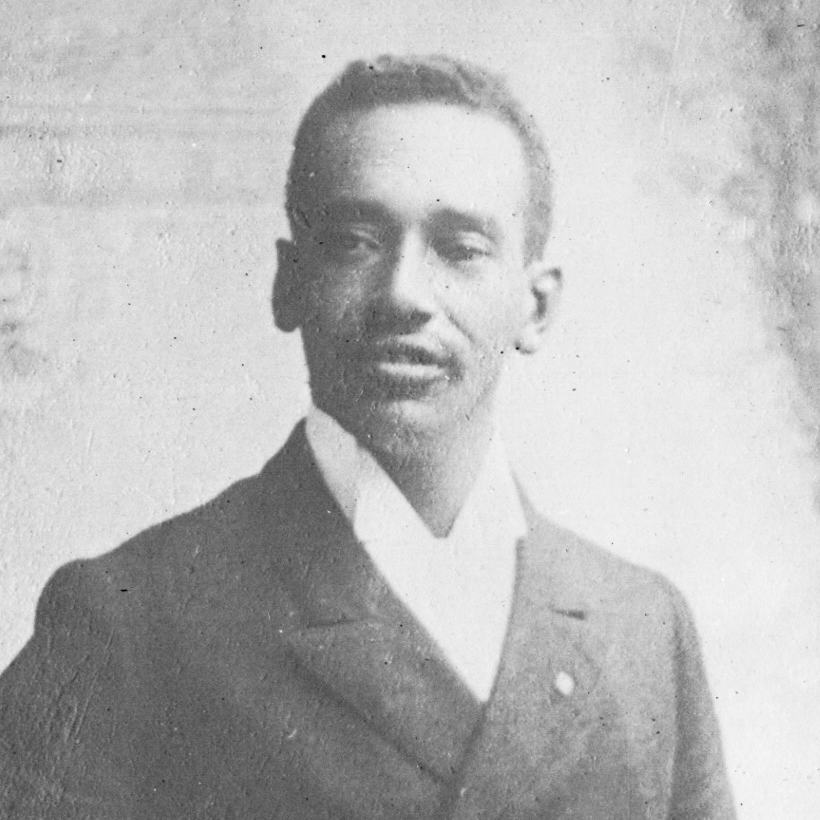
William Sheppard went to Congo in 1890 as a Presbyterian missionary.
But, he was also a banjo player, dentist, linguist, animal trainer, athlete, translator, comedian, boat pilot, public speaker, botanist, photographer, teacher, writer, anthropologist, art collector, explorer, hunter, human rights advocate, builder, devoted son, father and husband.
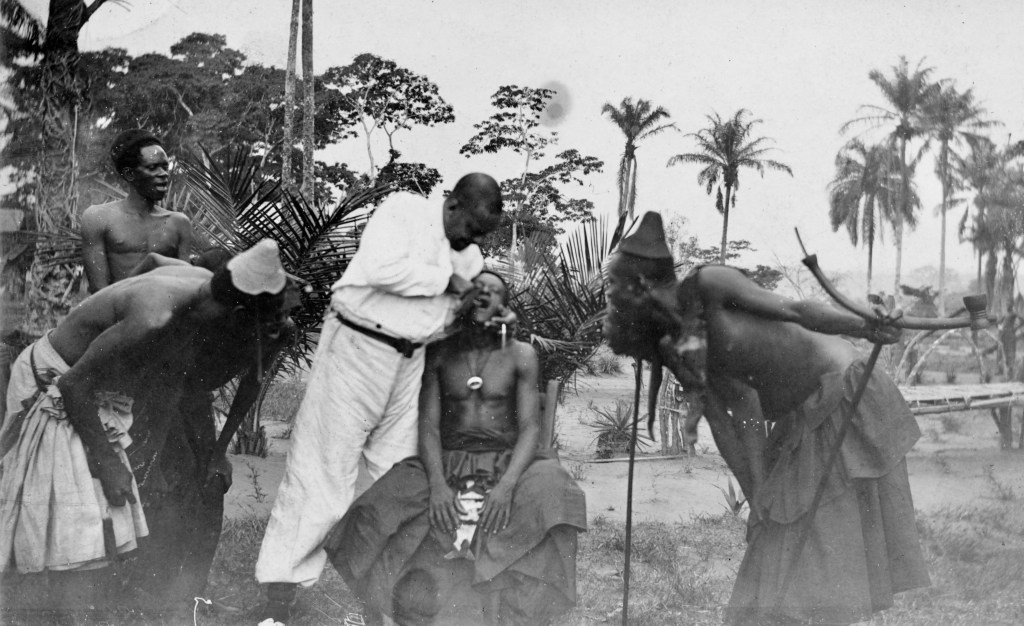
In an era of White cultural dominance when missionaries viewed their work as bringing civilization to the savages, Sheppard was a pioneer of cultural collaboration: he was a huge fan and curious learner of Congolese music, art, language, and culture. He shared their genius with the world by buying hundreds of cultural artifacts and bringing them home to demonstrate that African civilization was “not to be despised.”
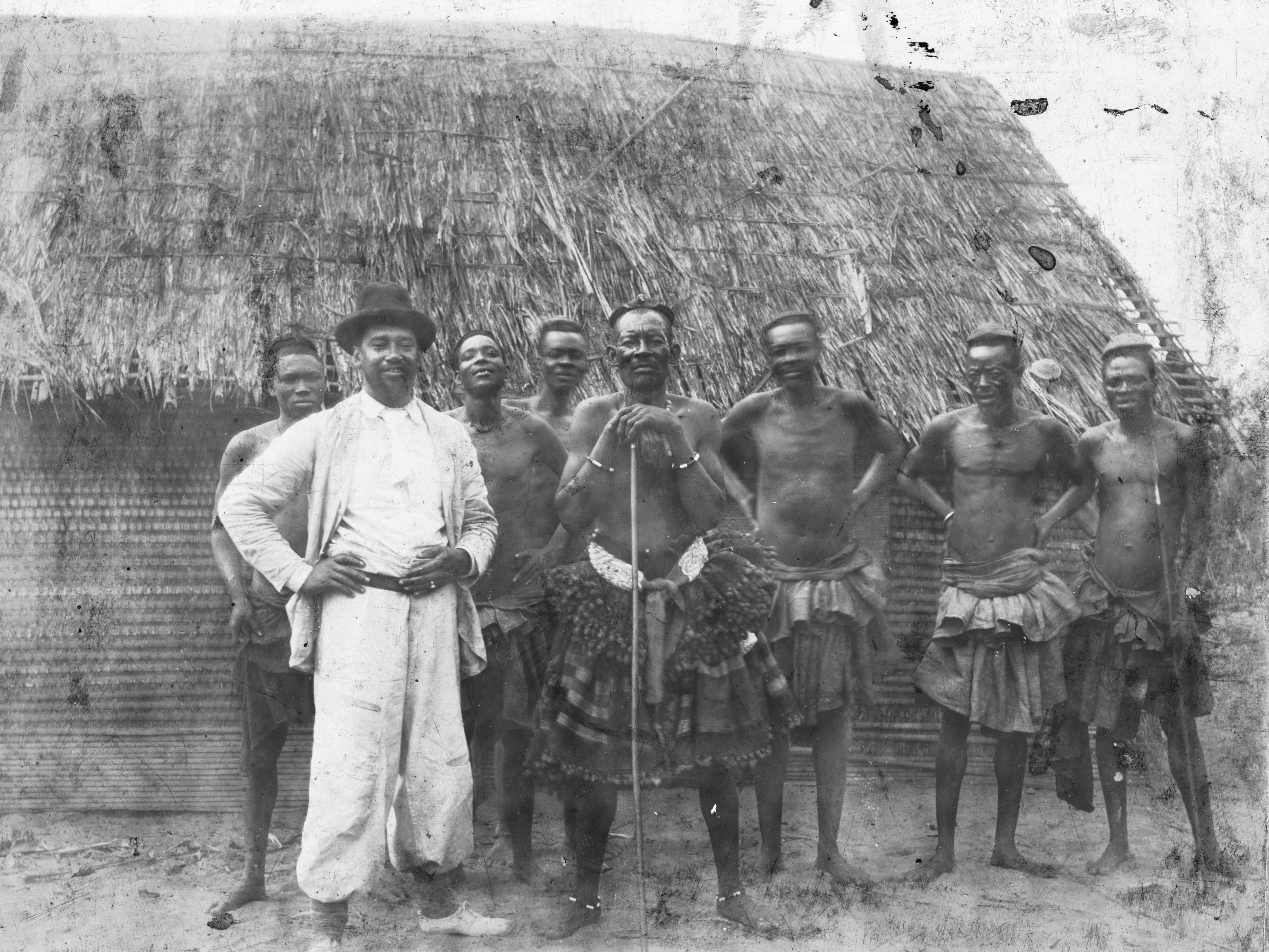
He was the first westerner to brave the threat of death by seeking out the hidden Kuba capital to meet King Lukenga. He was inducted into the Royal Geographic Society by Queen Victoria in 1893 and welcomed to the White House by the President in 1894. His work was applauded by Mark Twain, Booker T. Washington and Sir Arthur Conan Doyle.

Sheppard witnessed atrocities committed by King Leopold’s men, wrote about them and published photographs of victims. His reports were published in newspapers across Europe and the US. He was an advocate, standing with the Congolese in their struggle for freedom from slavery and exploitation of natural resources. The Belgians sued Sheppard for libel and he became the defendant in a human rights trial which was covered by newspapers all over the world.
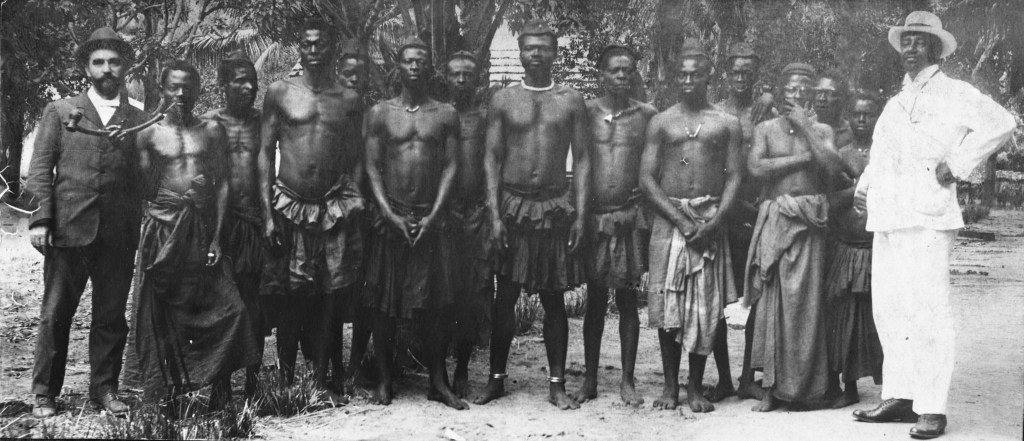
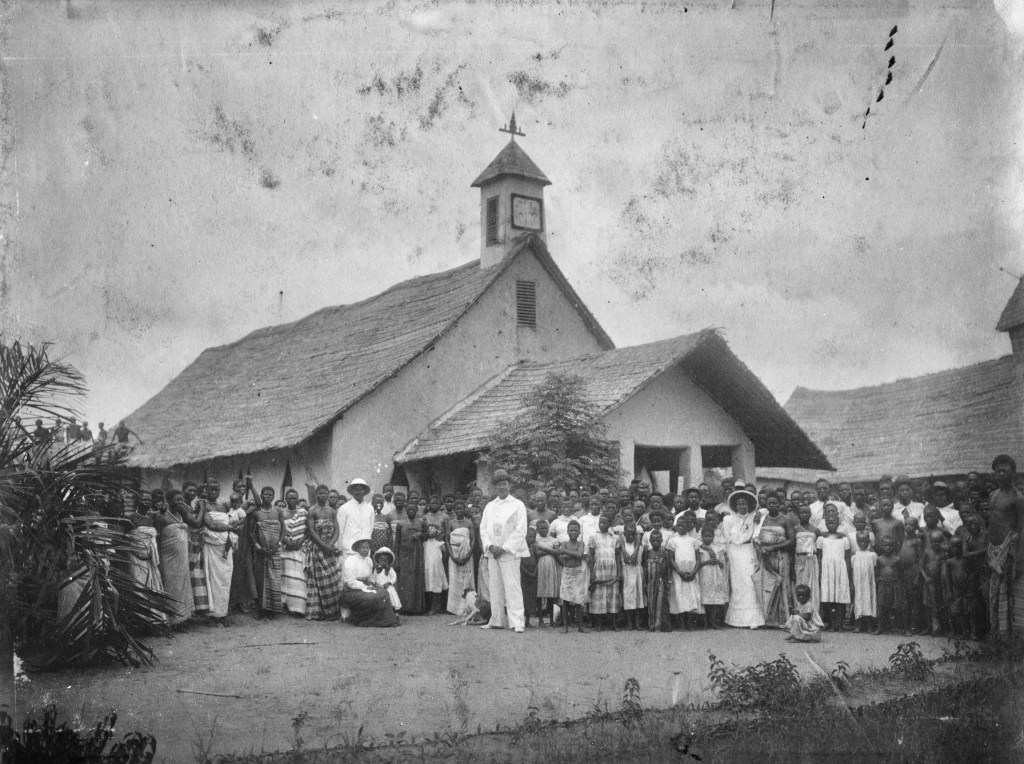
By conservative estimates, King Leopold’s system of forced labor and reign of terror was responsible for the deaths of more than 10 million Congolese. Sheppard stood with the Congolese for 20 of those dark years, bearing witness to the horror they faced. While the colonial system treated the Congolese as savages to be civilized or tools to be used for profits, Sheppard saw them as fellow human beings created in the image of God. Through his photography and writings, Sheppard depicted their sense of humor, their beauty, their creative genius, and their intrinsic worth. His life was spent demonstrating to the world that Black Lives Matter.
 Congo Kingdom